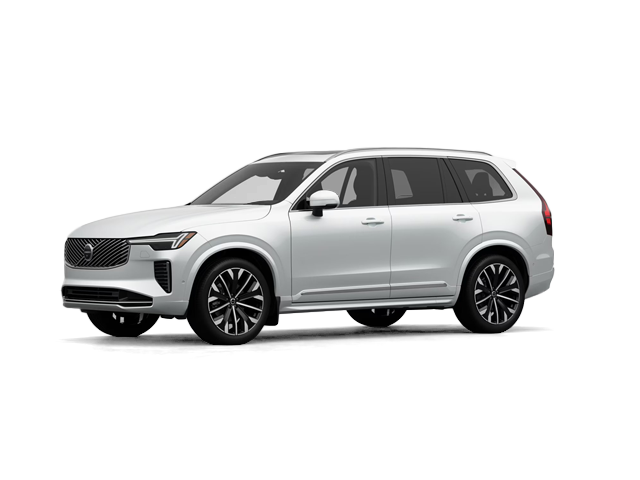
Photo for illustrative purposes only.
Find out moreVolvo Cars Edmonton

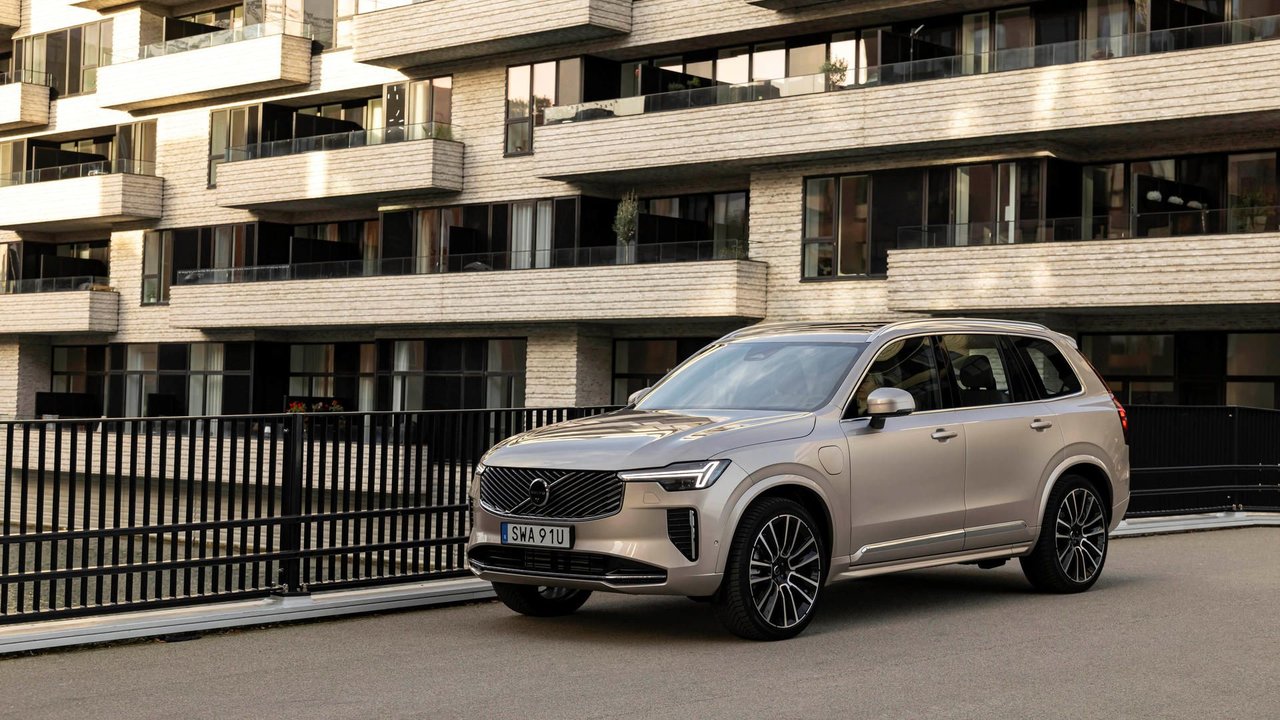
A third seating row sounds simple until you actually have to plan around it. Alberta families cross-shopping the 2026 Volvo XC90 quickly run into a real question: do you want maximum passenger count, or easier movement between rows? The answer changes depending on how your household actually uses the third row, not just how many seats it has.
This isn’t about picking between different vehicles. Both layouts live inside the same 2026 XC90, so the decision comes down to trim availability, how your family boards and exits, and what you carry along with your passengers.
|
Powertrain |
Trim |
7-Seat |
6-Seat |
|
B6 mild-hybrid |
Core |
Available |
Unavailable |
|
B6 mild-hybrid |
Plus |
Available |
Unavailable |
|
B6 mild-hybrid |
Ultra |
Optional |
Optional |
|
T8 plug-in hybrid |
Core |
Available |
Unavailable |
|
T8 plug-in hybrid |
Plus |
Available |
Unavailable |
|
T8 plug-in hybrid |
Ultra |
Available |
Optional |
The pattern is consistent across both powertrains: 7 seats is the default layout on Core and Plus, and the 6-seat bench swap only shows up as an option on Ultra. If a 6-seat configuration matters to you, Ultra is the only trim door that opens.
The 7-seat XC90 uses a standard second-row bench, which means three seating positions across that row and a full-time centre seat. That layout maximizes total passenger count, which matters for carpools, grandparents joining a weekend trip, or families who regularly need seven belted positions at once.
The 6-seat configuration, available only on Ultra, swaps that bench for two individual second-row seats. Losing the centre position trades away one seat, but it opens a walk-through aisle to the third row. For a household loading car seats or shuffling kids in and out at school pickup, that aisle removes a lot of friction compared to climbing over a folded bench seat.
Second-row width sits at 1,435 mm across both configurations, and third-row shoulder room measures 1,192 mm, so the third row itself isn’t larger in either layout. What changes is how easily someone gets back there.

Third-row legroom on the 2026 XC90 measures 811 mm, noticeably tighter than the 940 mm in the second row. That gap is the practical reason the third row suits kids, shorter trips, or occasional adult passengers better than daily full-size adult seating.
Headroom follows the same trend, at 923 mm in the third row versus 979 mm in the second. None of this changes between the 6-seat and 7-seat layouts since the third row itself is identical either way; the difference is purely how passengers reach it.
For a family that treats the third row as backup seating, used a few times a month rather than every school run, the walk-through access of the 6-seat layout matters less. For a family that regularly seats six or seven people and moves kids in and out of that third row often, the aisle becomes the deciding factor.
Cargo volume is nearly identical between the B6 and T8 powertrains, so the seat layout itself, not the engine, is what shifts your packing space.
|
Cargo Measurement |
B6 AWD |
T8 Plug-in Hybrid |
|
Behind third row |
653 L |
650 L |
|
Behind second row (seats up) |
980 L |
977 L |
|
Behind front seats (second row folded) |
1,139 L |
1,130 L |
|
Behind front seats (maximum, to roof) |
1,950 L |
1,941 L |
With the third row in use, you’re working with 653 L, enough for a stroller, a couple of duffel bags, and grocery runs, but tight for sports gear on top of passenger luggage. Fold the third row and that jumps to 980 L behind the second row, which covers most road-trip packing for a family of five.
The 6-seat and 7-seat layouts share these same cargo figures since the third row and cargo floor don’t change; only the second-row seat count and shape differ.
If you need the maximum passenger count for carpools, extended family trips, or regularly filling all seven positions, the 7-seat layout on Core or Plus gets you there without waiting on Ultra’s options list.
If your household leans on the third row occasionally and values easier access for car seats, strollers, or kids climbing back on their own, the 6-seat layout on Ultra removes the bench-climbing step entirely. It costs you the centre seating position in exchange for a genuine aisle.
Either way, trim availability narrows the choice before family preference does: Core and Plus buyers get 7 seats as their layout, and only an Ultra shopper actually chooses between the two.
The 2026 XC90’s third row works best as flexible space, useful for kids, shorter trips, and occasional extra passengers rather than a full-time adult seating solution. Cargo capacity stays consistent across both layouts, so the real difference comes down to access and passenger count.
Bring your usual gear, car seats, and family routine to Volvo Cars Edmonton in Edmonton and sit in both configurations before deciding. Visit the showroom to load in your own equipment and compare the 6-seat and 7-seat XC90 side by side.
Photo for illustrative purposes only.
Find out more
How efficient is the 2026 Volvo XC40 in Daily Driving?
Most fuel-economy numbers on a window sticker don’t tell you much about your actual commute. Ring road traffic, cold starts, a mix of city errands...
Read more
Which Interior Features Make the 2026 Volvo XC60 Family-Ready?
School drop-off, hockey bags, a stroller that never quite folds flat: the daily grind is where a family SUV proves itself, not on a spec sheet. The...
Read more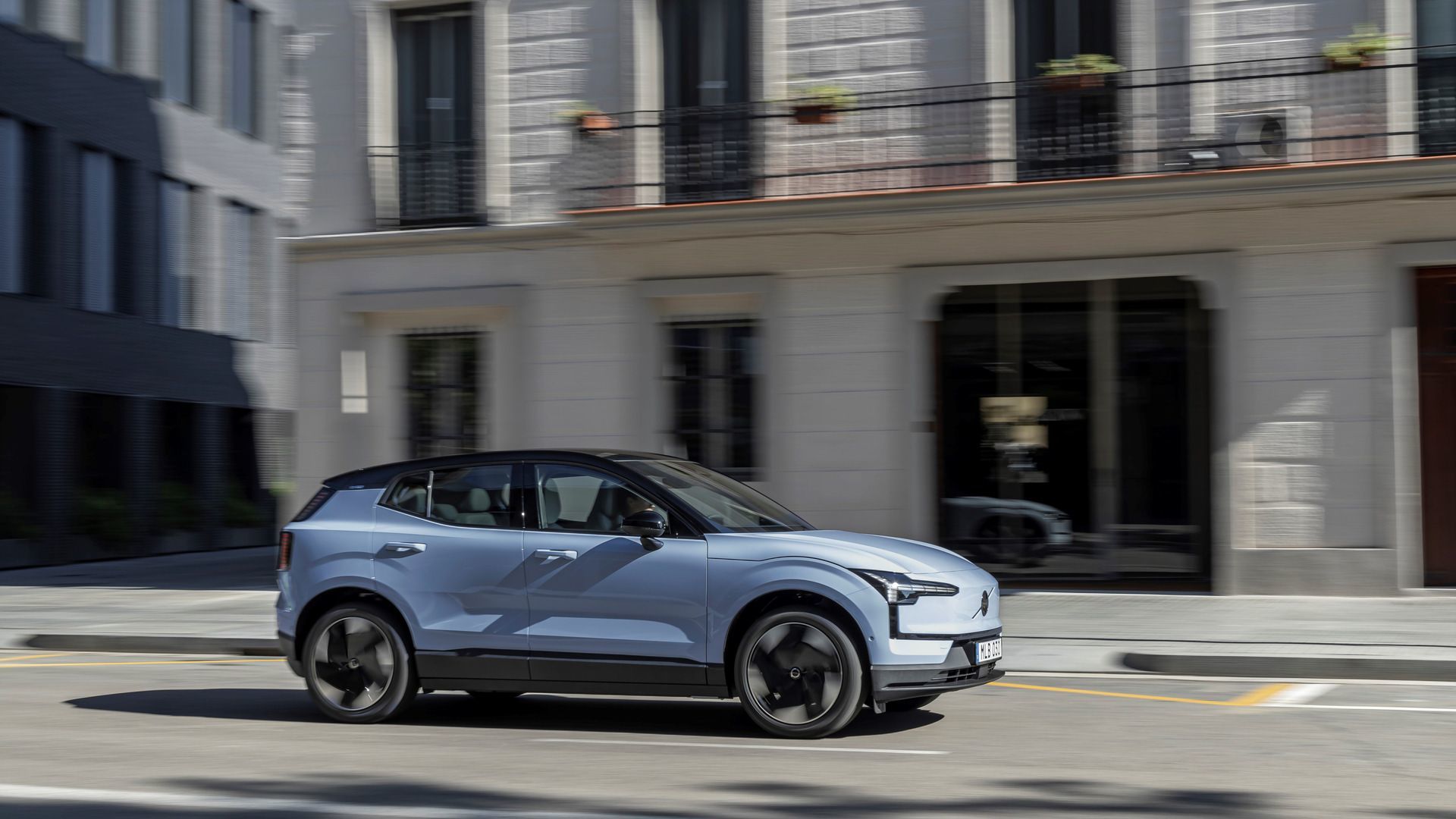
The 2026 Volvo EX30 in 10 Questions Every First-Time Shopper Asks
Shopping for your first electric SUV comes with a lot of new terms and trim names to sort through. If you’re looking at the 2026 Volvo EX30 in...
Read morePowered and developed by