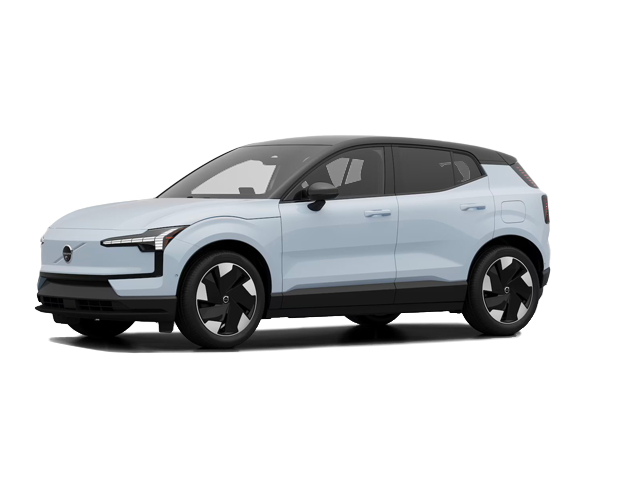
Photo for illustrative purposes only.
Find out moreVolvo Cars Edmonton
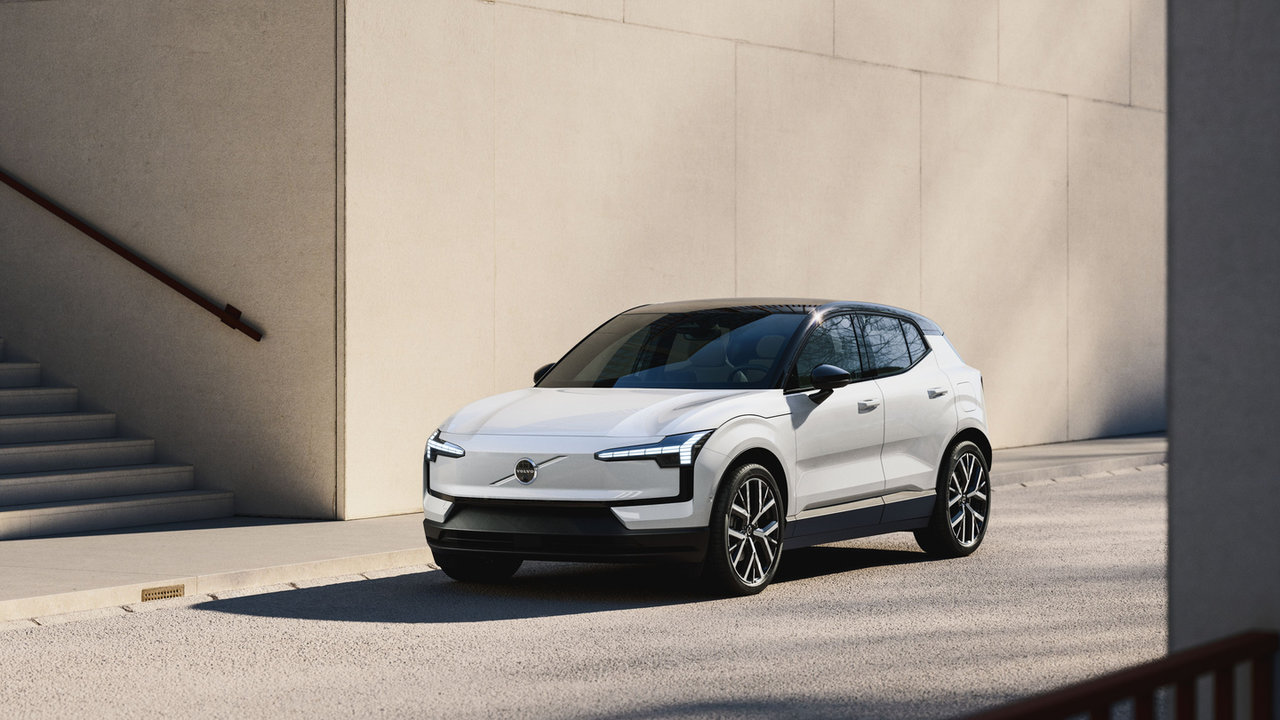
If you have ever lugged a noisy gas generator out to a campsite in northern Alberta, you already know the trade-off. You want power for the camp fridge and the coffee maker, but you also want to hear the wind in the trees and the loon on the lake. Vehicle-to-Load technology, or V2L, changes that equation. It turns your electric Volvo into a quiet, fume-free power source for the gear you bring along.
This guide breaks down what V2L is, which Volvo electric SUVs are getting it, and how drivers in Edmonton can think about using it for weekend trips up to Jasper, Elk Island, or the lake country east of the city. We will keep the technical details simple and stick to what Volvo has confirmed, with a few useful pointers from the wider EV community along the way.
V2L stands for Vehicle-to-Load. It is the simplest form of bidirectional charging. Most EVs only draw power in — you plug them into the wall and the battery fills up. A V2L-equipped EV can also send power out. The car becomes a very large, very quiet power bank that you can plug things into.
It helps to understand how V2L compares with two related ideas:
For a camping trip, V2L is the one that matters. You plug a device into the adapter, the car wakes up its battery, and the device runs on AC power similar to what comes out of a household wall socket in Canada.
Volvo is rolling out V2L on its newer fully electric SUVs.
According to Volvo, the EX30 will be available with Vehicle-to-Load functionality. The car can act as a power bank for charging external devices and camping gear, using a dedicated adapter that connects the car to the appliance.
For the EX60, Volvo Canada describes the SUV as having bidirectional capability, and notes that drivers can use the car battery as an extra power supply for electric devices and appliances such as e-bikes and electrical tools, again through a dedicated adapter.
V2L also fits into a bigger picture for Volvo. The brand has talked about V2L alongside V2H and V2G as part of its long-term energy-solutions vision, where the EV in your driveway can play a role beyond just driving.
A few quick reference points so you have a sense of the energy involved before you start powering anything:
That stored energy is what makes V2L practical at a campsite — you have a meaningful battery to draw from and still drive home.
Here is what the experience looks like, in plain terms:
In general, V2L systems on EVs are designed for modest, continuous loads — think appliances and electronics, not industrial tools or whole-cabin heating. That makes them a strong match for camping, tailgating, and short outages, but not a replacement for a full home backup system.

This is where V2L becomes fun to think about. Many V2L-equipped EV owners use the feature for a familiar set of campsite loads:
|
Campsite Item |
Typical Suitability with V2L |
|---|---|
|
LED string lights |
Very easy, low draw for many hours |
|
Camp fridge or cooler |
Easy to moderate, common use case |
|
Phone and laptop charging |
Trivial load, essentially negligible |
|
Coffee maker or kettle |
Short, high-draw bursts; fine with margin |
|
Induction cooktop |
Possible but power-hungry; manage usage |
Independent EV camping guides note that a mid-sized EV battery can comfortably support a modest camping setup — fridge, lights, charging, and a small cooker — for a weekend without putting your drive home at risk. Some EV owners report running fuller trailer setups, including a kettle, microwave, and induction cooktop, for multi-day trips. Your mileage will vary based on the loads you bring and the weather you camp in.
For Edmonton drivers heading west to Jasper, north toward Cold Lake, or out to the campgrounds along Highway 16, the appeal is the same: a quiet site, no jerry can to refill, and no engine running through dinner.
V2L is straightforward, but a few habits will keep your trip easy.
Always refer to your Volvo owner's manual and the official V2L adapter guide for current limits, safe-use instructions, and feature availability in Canada, since some bidirectional functions can vary by market.
If you mostly do day trips and the occasional overnight near Edmonton — Elk Island, Pigeon Lake, the river valley campgrounds — the EX30 with V2L is a comfortable starting point. It is sized for city driving in Alberta and brings the V2L convenience along for weekends.
If your trips run longer and farther — multi-day stays in the mountains, longer drives to Jasper or the BC interior, family trips with more gear — the EX60 lines up better. The bigger battery and longer range give you more headroom for both the drive and the campsite.
Either way, V2L turns the parking spot at your site into a clean power station. That is a real shift for how Albertans can plan a trip outdoors.
V2L availability, the right adapter, supported loads, and rollout timing for specific Volvo models in Alberta are all worth a direct conversation. The team at Volvo Cars Edmonton can walk you through which fully electric Volvo fits your driving and your camping habits, what hardware you need, and what to expect from the V2L experience day-to-day. Stop by our Edmonton showroom or reach out online to plan your next test drive.
Photo for illustrative purposes only.
Find out more
New Long-Range Plug-In Hybrids Arrive for the 2028 Volvo XC60 and XC90
Plug-in hybrids suit Alberta shoppers who want to run daily trips on electricity and still have a gas engine for longer drives. Volvo’s 2028 XC60...
Read more
The Updated 2028 Volvo XC40 Is Official: The Full Picture
A refreshed 2028 Volvo XC40 is on the way, and the updates reach the headlights, the cabin, the screen and the safety hardware. For Alberta...
Read more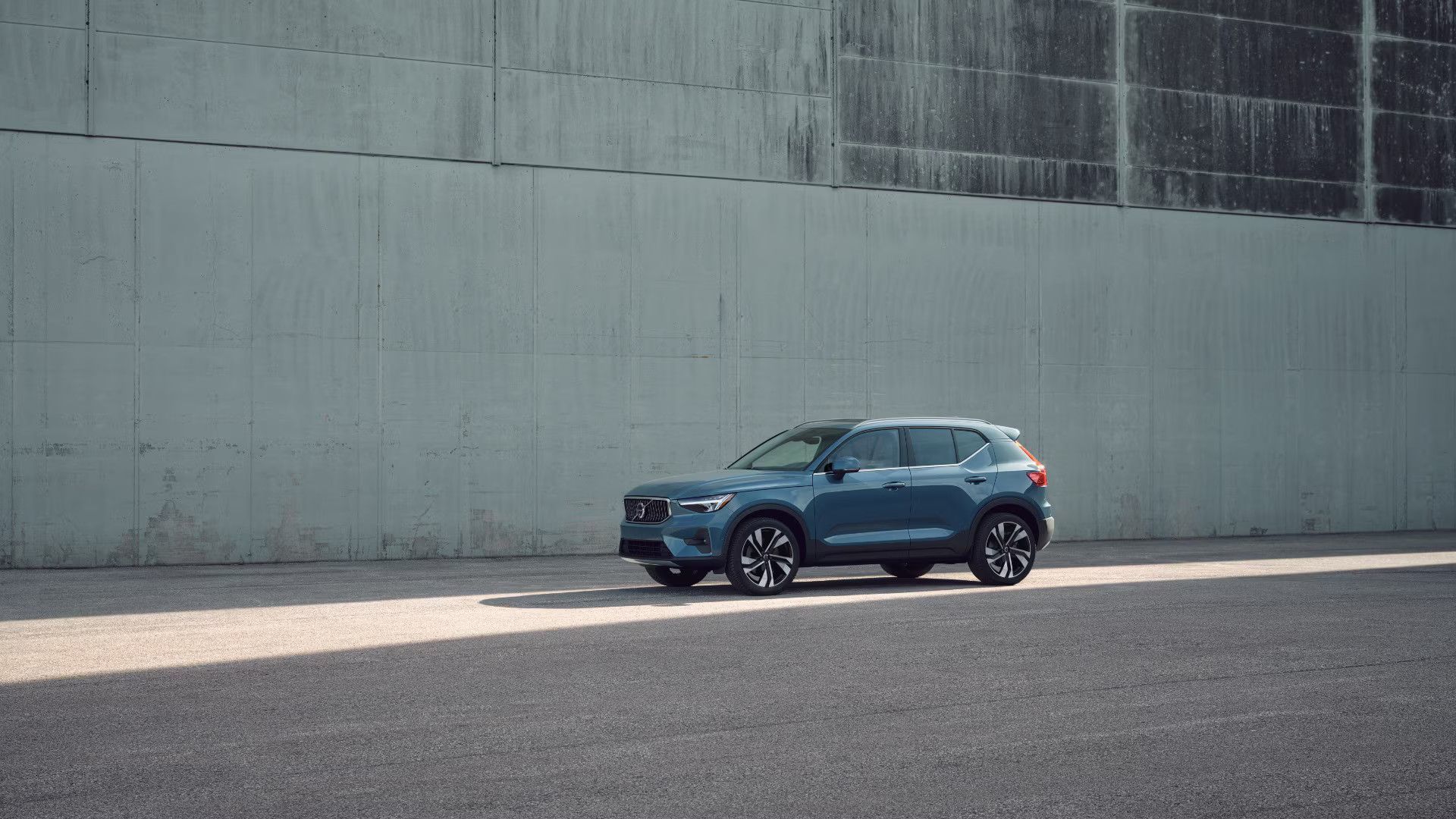
How efficient is the 2026 Volvo XC40 in Daily Driving?
Most fuel-economy numbers on a window sticker don’t tell you much about your actual commute. Ring road traffic, cold starts, a mix of city errands...
Read morePowered and developed by